


For too long, Black identity was commodified without Black ownership.
This is a commentary—not a think piece.
It’s about power, authorship, and the quiet shift happening across fashion, media, and Black creativity.
Africa is not asking for permission anymore.
And Black creatives aren’t waiting to be included.
Dear Europe: Luxury Has Moved
Dear Italy, France, and Germany—I hate to break it to you, but you are no longer the singular mecca of what defines luxury. And the center of Black creativity is no longer confined to American cities or Western approval.
Globally, there is a return to Africa—not as a trend, but as a reclamation. Black creatives, entrepreneurs, and investors are looking forward, not backward. And that future is Mama Africa. What we are witnessing is not aesthetic curiosity—it is the reclaiming of self, identity, and agency.
Ghana and the Language of Identity
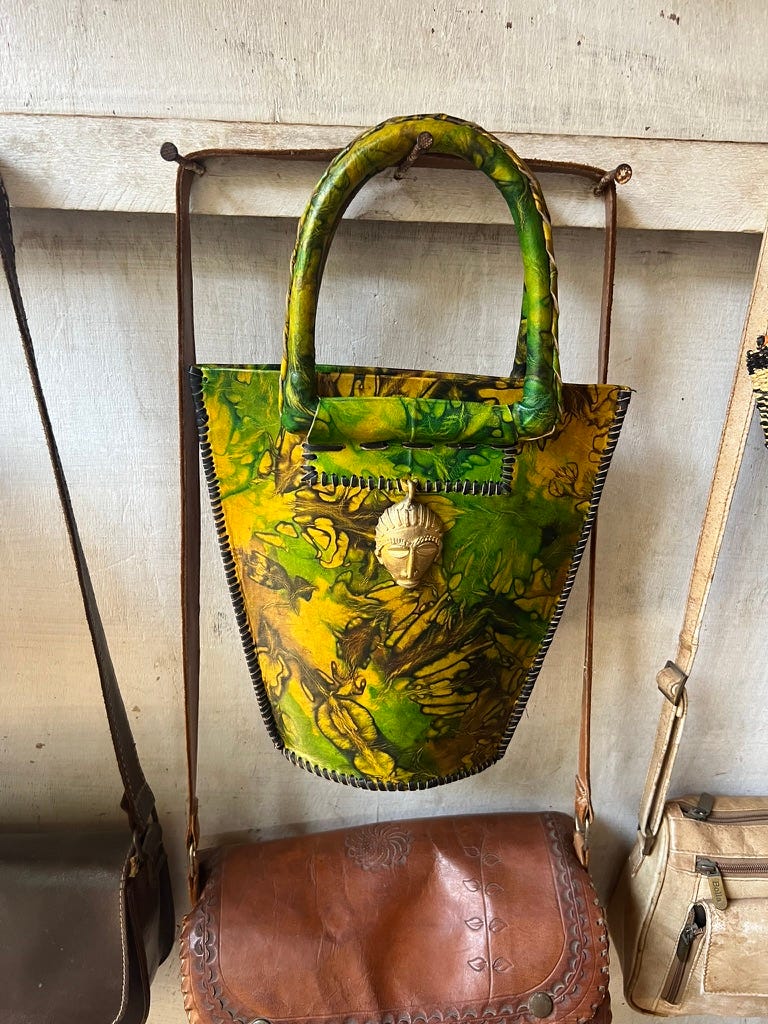
With the resurgence of kente, mudcloth, batik, and tie-dye, Ghana has emerged as a rising force in the global fashion industry. This is because fashion in Ghana is not merely about appearance; it is identity, storytelling, and social dialogue. Traditional garb is no longer reserved for ceremony—it is being embraced by youth as everyday expression. Designers such as Christie Brown, Kwasi Paul, and Selina Beb are making bold statements and appearing on Western red carpets. This is not a coincidence. It is a preview of what’s coming: a world where African attire is recognized as luxury—regal, intentional, and respected.
Blackness Without Explanation
Historically, Black culture has been shaped by what American media chose to spotlight. Durags, baggy jeans, thick gold chains—you name it. While influential, this narrow framing has created racial fatigue and obscured the full spectrum of Black expression. The reality is that Black and African people across the world are honoring their ancestors and rejecting the over-policing of Blackness.
Kente, adinkra, and batik are freedom. They are Blackness without explanation.
For far too long, Black identity has been commodified without Black ownership. A return to African-centered fashion is not nostalgia—it is reparative. It is reclamation.
Expansion, Not Escape
Globally, Black creatives are not seeking escape; they are seeking expansion. Black women want to wear their natural hair without defending its professionalism. Black men want to wear durags without fear of racial punishment. This movement is not about fleeing—it is about existing freely.
Why Accra Matters
Accra is uniquely positioned to become a global creative powerhouse. Its geography, cultural depth, and spiritual familiarity have long made it a destination for Black diasporans seeking ancestral grounding. These qualities now offer creatives the space to harmonize their artistry without dilution or compromise.
African-First Is Infrastructure
African-first is not a sustainability slogan—it is a movement. A movement to reimagine Africa’s role in manufacturing, industry, and cultural leadership. This philosophy reshapes fashion, beauty, media, and storytelling by centering African exceptionalism and prioritizing self-sustainability. Creatives who embrace this—like Kwasi Paul, Christie Brown, and Selina Beb—are no longer asking for inclusion. They are building parallel systems without dependency on Western validation.
What Building Actually Looks Like
Building globally is not glamorous. What we often see is the outcome, not the discipline behind it. As I’ve worked to build my own brand, I’ve learned the importance of structure, patience, and measurable progress. Brands are not built overnight, and understanding that has grounded me. I’ve intentionally detached success from hedonistic benchmarks and redefined it on my own terms.
For me, success is not quantitative—it’s qualitative. It’s how I show up, how I give back, and the impact I make. Romanticizing success without acknowledging the work behind it is dangerous—to creativity and to mental health. Sustainability requires honesty.
Where the Narrative Is Going
As Africa rises in global influence, Black creativity will increasingly shape fashion, media, and narrative power. I anticipate a rise in globally streamed Nollywood films as diasporans detach from whiteness as the default beauty standard and seek media that reflects them. I also foresee a diffusion of African and diasporic storytelling—imagine Tyler Perry collaborating with Nollywood. Madea goes to Africa.
As Black media consumption grows, Africa-first businesses will follow Black travelers across the globe—from Thailand to Mexico, Colombia, Portugal, and beyond. Cultural influence will no longer be centralized; it will be diasporic, fluid, and intentional.
The Question That Remains
Black creativity is slowly migrating away from Western standards in favor of authenticity. This is not rebellion—it is return. A return to identity, heritage, and authorship.
The question is no longer where Black creativity belongs.
The question is whether the world is ready to follow it.