


In America, I Learned to Succumb. In Ghana, I Learned to Flourish.
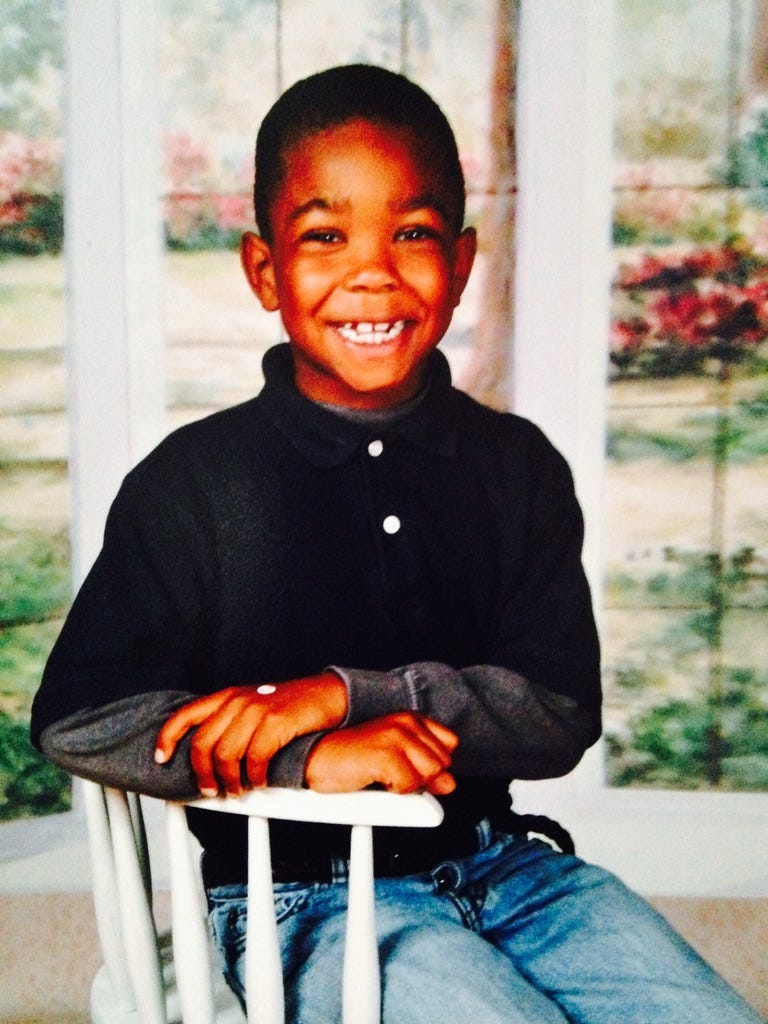
Growing up in a Black middle‑class family—where my parents worked tirelessly to “make it out of the hood”—I was raised on the gospel of hard work.
“Work twice as hard,” they said, “and you’ll still only get half as far.”
I didn’t realize how deeply that survival script was etched into my being.
In America, I wasn’t living—I was managing danger.
I couldn’t wear red or blue for fear of gang affiliation.
No toy guns—they might be mistaken for real.
No Grand Theft Auto—it might corrupt my morals.
My parents were protecting me from a system that devours Black boys before they become men. But in trying to save me, America stole my innocence. I grew up too fast. I learned to shrink myself to stay safe.
When I Landed in Ghana, My Inner Child Returned
Walking through Kotoka Airport—Burna Boy in my headphones—tears streamed down my face. I didn’t understand why at first.
But I know now: it was my inner child exhaling.
The innocence, purity, and joy stripped from me in America were restored in Ghana.
I was no longer the cautious Black boy in a white suburb—I was a man reborn.
The Corporate Cage I Never Fit In
Even as a kid, I knew corporate America wasn’t built for me.
In school, rules about hair and dress felt designed to discipline Black identity.
No designs. No carvings. No mohawks. No locs.
I remember thinking, “Why is my hair a problem when Leah walks in every morning with hers dripping wet?”
These micro‑regulations weren’t small—they were psychological warfare. They taught me that my natural expression was unprofessional, that to “make it,” I had to look like the men who enslaved mine.
So I rebelled. I knew early on I didn’t belong in that world—and maybe I was never meant to.

A Taxi Ride, A Revelation
The taxi weaved through traffic near Airport City as I stared out the window at Accra’s skyline. Billboards flashed images of luxury compounds, sky‑rises, and seaside villas.
And it hit me—everything I had been taught about Africa was a lie.
Where were the dirt huts and starving children?
Instead, I saw opportunity. Strategy. Ownership.
For the first time, I envisioned myself thriving—not just surviving.
A salon that celebrates Black hair.
A restaurant blending soul food and Ghanaian flavors.
A fashion brand that feels like royalty.
This was the new frontier.
This was my chance to claim my forty acres—and finally, my freedom.
Strategy Over Struggle
Living abroad isn’t new to me—I’ve lived in Amman, Jordan and Yafa, Palestine. But Ghana was different.
It didn’t just offer adventure—it offered alignment.
On Labadi Beach, I had an epiphany:
Why am I trading my life for two weeks of vacation a year?
America rewards exhaustion.
Ghana rewards presence.
I laughed out loud—in French—because the joke was on America.
I realized I didn’t need to chase the “American Dream.”
I could build one abroad, on my own terms.
Owning land.
Creating jobs.
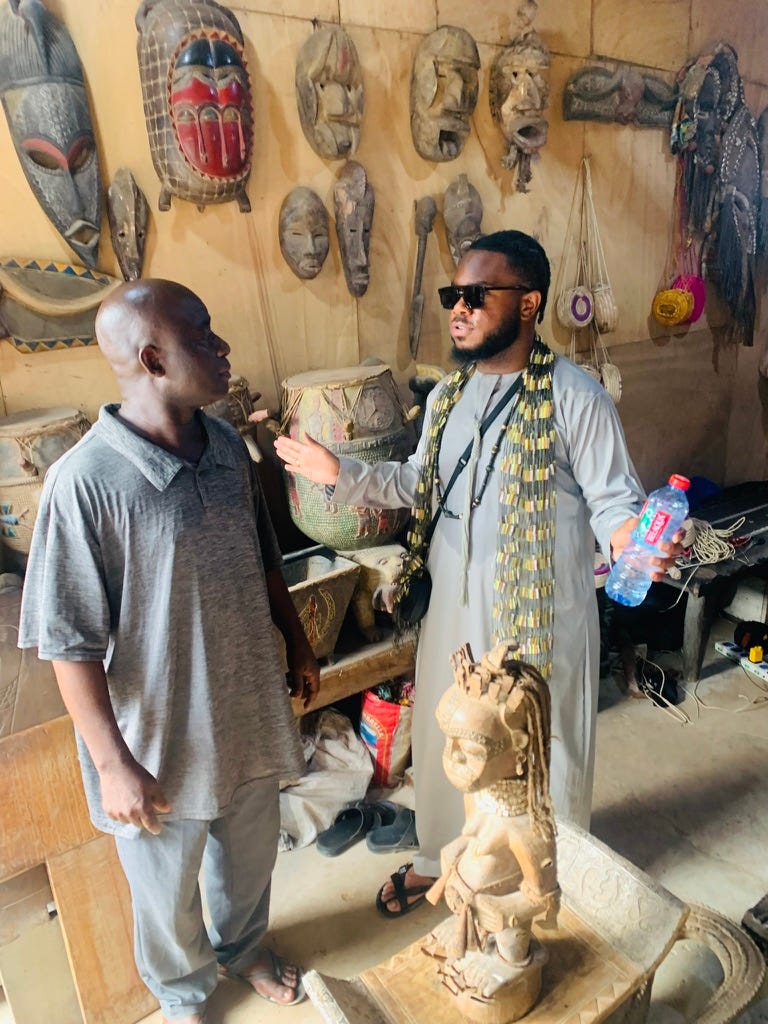
Partnering with local creatives.
Building something that uplifts Ghanaians and diasporans alike.
I realized I wasn’t just on vacation—I was returning home to Africa.
A spiritual repatriation wrapped in economic clarity.
That’s not running away. That’s what leaving America for Ghana—survival vs. strategy—really looks like.
Unlearning the Grind
Grind culture is Black America’s silent killer.
“Rest when you’re dead,” we’re told.
I watched my father embody that belief—a Gen‑X man who made it out of the hood, only to remain enslaved to work. Even in retirement, he can’t stop. For him, labor is identity.
For me, Ghana shattered that illusion.
Here, I learned rest is not laziness—it’s liberation.
I learned that purpose isn’t productivity.
I learned to slow down, breathe, and be.
I’m no longer bound to the myth of endless hustle.
I’m bound to peace.
Building in Ghana Isn’t Easy—But It’s Worth It
Nobody talks about the bureaucracy, so I will.
To start a business as a foreigner, you need a Ghana Card.
Then comes the work or residency permit. Then registering your company. Then opening a bank account.
It’s layered, but doable.
As someone passionate about Black American business opportunities in Ghana, I encourage the Ghanaian government to make these processes more accessible for returnees. Lowering the barriers to entry can bring jobs, foreign investment, and energy into the economy.
Even with all the red tape, I’ve never felt as boxed in as I did in the U.S.
That’s because business and land ownership were never meant for people who look like me in America.
But here?
I’m learning the process. I’m exploring Ghana land ownership as a diasporan. I’m dreaming freely.
Africa Is the Present
Once I stepped outside America’s echo chamber, I could finally hear myself think.
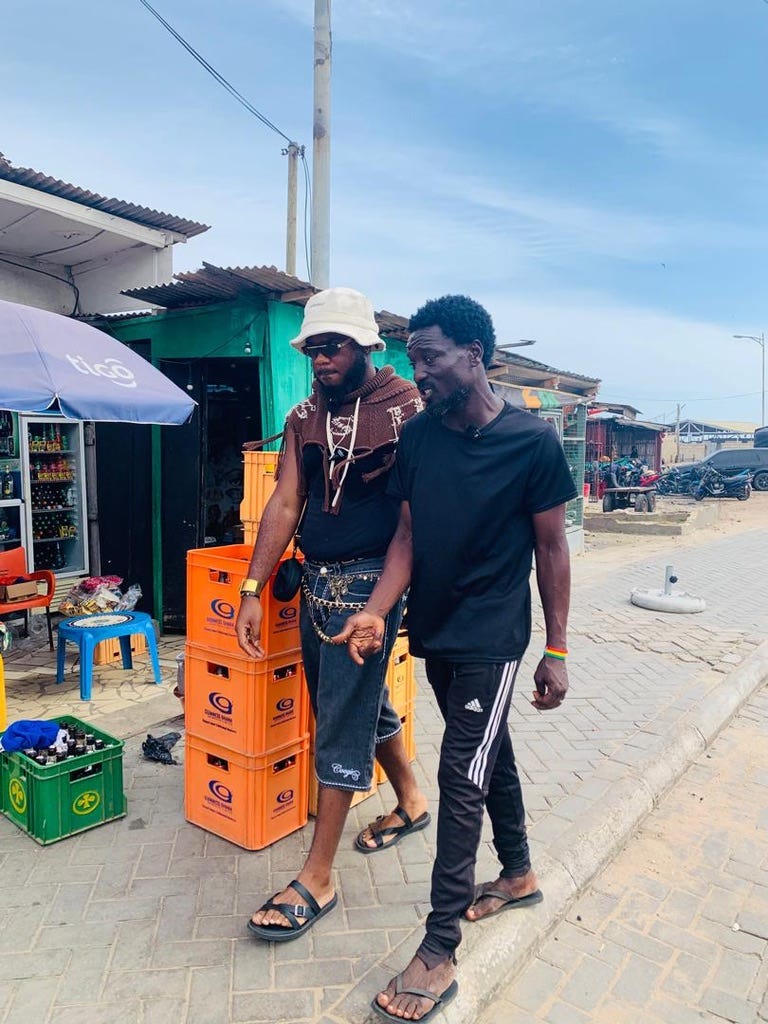
I could appreciate unpaved roads, the laughter of vendors, and the rhythm of a society that reflects me back to myself.
This isn’t romanticism. This is truth.
Freedom for Black Americans in Ghana is possible—not perfect, but real.
For generations, we’ve been conditioned to survive—slavery, segregation, redlining, disenfranchisement. But now, the call has returned: Come home.
America birthed our struggle, but she is not our mother.
Liberia was the first return. Ghana is the next.
We’ve mastered survival.
Now it’s time to master strategy.